
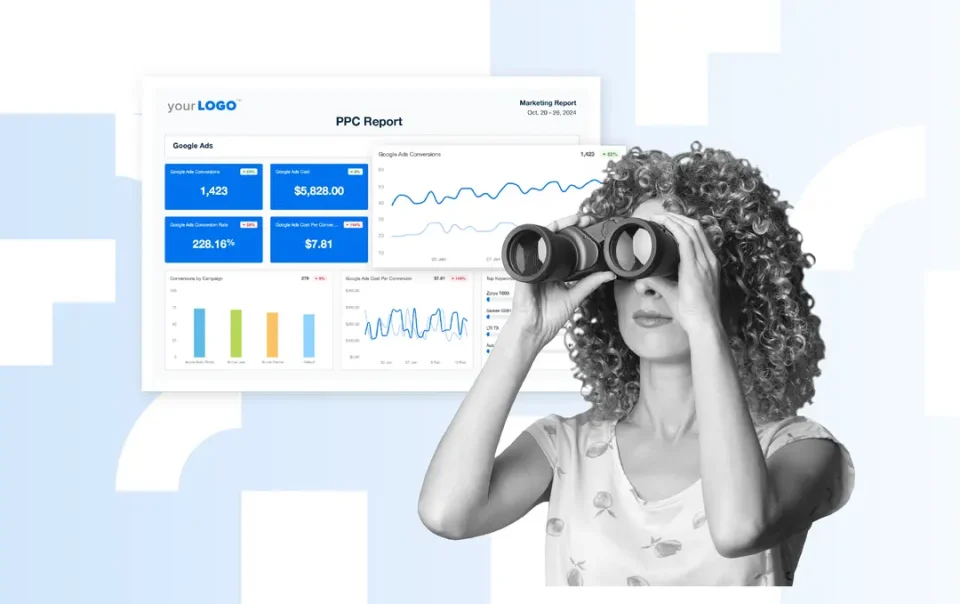
You pour thousands into a B2B marketing agency, hoping for leads that turn into sales. But months later, you stare at reports full of likes and clicks, with no clear link to your bottom line. Tracking ROI from your B2B marketing agency changes that. It shifts focus from empty numbers to real growth, like revenue spikes and lower costs per customer. Without it, you’re just guessing if the spend pays off. This guide shows you how to build a solid system that proves every dollar’s worth.
Establishing the Foundation: Defining Success Before You Hire
Start strong by setting expectations early. This means you define what success looks like before signing any contract. Clear foundations prevent wasted time and money down the road.
Setting Clear, Measurable Goals (SMART Framework)
Turn your big business aims into specific marketing targets. Use the SMART method to make them stick. Specific means naming exact outcomes, like boosting leads from a certain channel. Measurable lets you count results, such as a 20% rise in qualified prospects. Achievable keeps goals realistic based on your resources. Relevant ties them to company needs, like entering a new market. Time-bound adds deadlines, say, in six months.
For example, aim to “increase Marketing Qualified Leads from email campaigns by 30% in the next quarter.” This template works for any B2B setup. It gives your agency a clear path to follow. Without SMART goals, efforts scatter, and ROI stays foggy.
Aligning Agency KPIs with Business Outcomes
Link what the agency does to your overall wins. Leading indicators, like email open rates, show early signs. Lagging ones, such as closed deals, prove the final impact. Make sure agency targets flow from your revenue goals. This way, their work directly fuels growth.
Picture this: An agency ramps up website traffic but ignores how many visitors become sales-ready leads. Traffic soars, yet deals stall. The mismatch hurts ROI. Tie KPIs to outcomes, like lead-to-sale conversion rates. This alignment ensures every task supports your bottom line.
Implementing Necessary Tracking Infrastructure
Get your tools ready before the agency dives in. A solid CRM, like Salesforce, tracks leads from start to close. Set UTM parameters on all links to tag traffic sources right. Link marketing automation, such as HubSpot, to capture every step in the buyer path.
This CRM integration and UTM parameter strategy form the backbone. Without them, data gets lost in silos. Test everything early to spot issues. Proper setup lets you track ROI from your B2B marketing agency with precision from day one.
Measuring Marketing Performance: From Activity to Revenue Attribution
Now, connect daily efforts to real dollars. Move past surface stats to see how agency work drives sales. This step reveals true performance in your B2B funnel.
Understanding the Marketing Funnel and Key Conversion Points
B2B buyers go through stages: awareness, where they learn about you; consideration, where they weigh options; and decision, where they buy. Pinpoint key shifts, like downloading a whitepaper for awareness or scheduling a demo for decision. These points show agency impact.
Create a simple funnel map document. Share it with your team and agency. It outlines steps from first touch to signed contract. For instance, track content downloads leading to sales-qualified leads, then opportunities. This view helps spot bottlenecks. Adjust strategies based on where conversions drop.
Calculating Customer Acquisition Cost (CAC) and Cost Per Lead (CPL)
Figure out CAC by dividing total sales and marketing costs by new customers gained. Include agency fees in that total. For channel-specific CAC, isolate what the agency spends. CPL works the same: agency cost divided by leads created.
Blended CAC mixes all channels, but break it out to see agency value. In B2B SaaS, average CAC hovers around $200 to $400 per customer, per industry reports. If your agency’s CPL beats benchmarks, they’re adding value. Track these monthly to watch trends. High CAC signals a need for tweaks.
Mastering Multi-Touch Attribution Models
B2B sales involve many touches, so single-credit models fall short. First-touch gives credit to the initial contact, like an ad click. Last-touch favors the final push, such as an email. Linear spreads credit evenly across all. U-shaped weights first and last 40% each, middle 20%. W-shaped adds the lead source too.
B2B teams often pick weighted models for fairness. Agencies supply the data through tagged campaigns. Tools like Google Analytics or Adobe Marketo handle this. Choose based on your sales cycle length. Proper attribution shows the full picture of ROI from your B2B marketing agency.
Calculating True Return on Investment (ROI)
With data in place, crunch the numbers on returns. This core step ties agency spend to profits. Get it right, and decisions become data-driven.
The Core ROI Formula for Agency Spend
Use this simple math: (Revenue from agency efforts minus agency costs) divided by agency costs, times 100 for percentage. Track only revenue tied to their work, like deals from their leads. Accuracy here is key—use your attribution model.
Say you spend $50,000 on the agency and generate $200,000 in sales. ROI equals (($200,000 – $50,000) / $50,000) x 100 = 300%. That’s a strong return. Review quarterly to stay on track. This formula keeps focus on net gains.
Incorporating Customer Lifetime Value (CLV)
CLV looks at total profit from a customer over time, not just the first sale. Calculate it as average purchase value times buy frequency times lifespan, minus costs. Agencies boost CLV through quality leads that stick around.
A good CLV to CAC ratio is 3:1 or higher—meaning CLV triples acquisition costs. This metric beats short-term ROI for B2B. High CLV lets you afford pricier upfront efforts. Track it to justify ongoing agency partnerships.
Accounting for Incremental Revenue vs. Baseline
Prove the agency caused the lift, not just luck. Compare revenue from their channels to historical baselines. Use control groups, like non-agency markets, for clean tests.
If baseline sales were $100,000 quarterly and agency work pushes it to $150,000, incremental revenue is $50,000. Factor in market trends to adjust. This method isolates true impact. Without it, you overstate wins and miss real issues.
Operationalizing Agency Accountability: Reporting and Reviews
Turn insights into action with regular checks. Hold the agency to standards through smart reporting. This builds accountability and sharpens results.
Establishing a Unified Reporting Cadence and Dashboard
Set weekly huddles for quick updates on tactics. Monthly reviews dive into strategy and early ROI signs. Agree on a dashboard with key metrics: leads generated, conversion rates, revenue attributed.
Build it in your CRM or a tool like Tableau, not just agency spreadsheets. This shared view prevents disputes. Include visuals for trends at a glance. Consistent cadence keeps everyone aligned on tracking ROI from your B2B marketing agency.
Conducting Quarterly Business Reviews (QBRs) Focused on Outcomes
Structure QBRs around past results versus goals. Review KPIs, explain gaps, and plan ahead. Use ROI data to guide shifts.
In one case, a tech firm saw weak ROI from SEO content in QBRs. They pivoted to paid search on buyer intent keywords, doubling returns next quarter. End with action items and owner assignments. These reviews turn data into growth.
Managing Scope Creep and Value Delivery
Scope creep happens when tasks balloon without extra pay. If the agency meets activity quotas but misses revenue, revisit the contract. Tie bonuses to outcome KPIs, not just hours logged.
Address gaps in reviews—maybe train on your sales process. Adjust strategies if needed, like more focus on high-ROI channels. Clear boundaries ensure value matches spend. This keeps the partnership strong.
Conclusion: Transitioning from Vendor to Revenue Partner
Effective ROI tracking rests on three pillars: set clear goals upfront, attribute revenue accurately, and review progress often. These steps transform your B2B marketing agency from a cost center to a growth driver. With them, you build trust and scale smarter.
Define SMART goals and align KPIs before hiring to avoid mismatches.
Set up CRM integration and UTM tracking for reliable data.
Use multi-touch models and CLV:CAC ratios for deeper insights.
Run regular reports and QBRs to enforce accountability.
Calculate incremental ROI to prove real impact.
Start implementing today. Pick one step, like mapping your funnel, and watch returns climb. Your business deserves partners that deliver measurable wins.
